
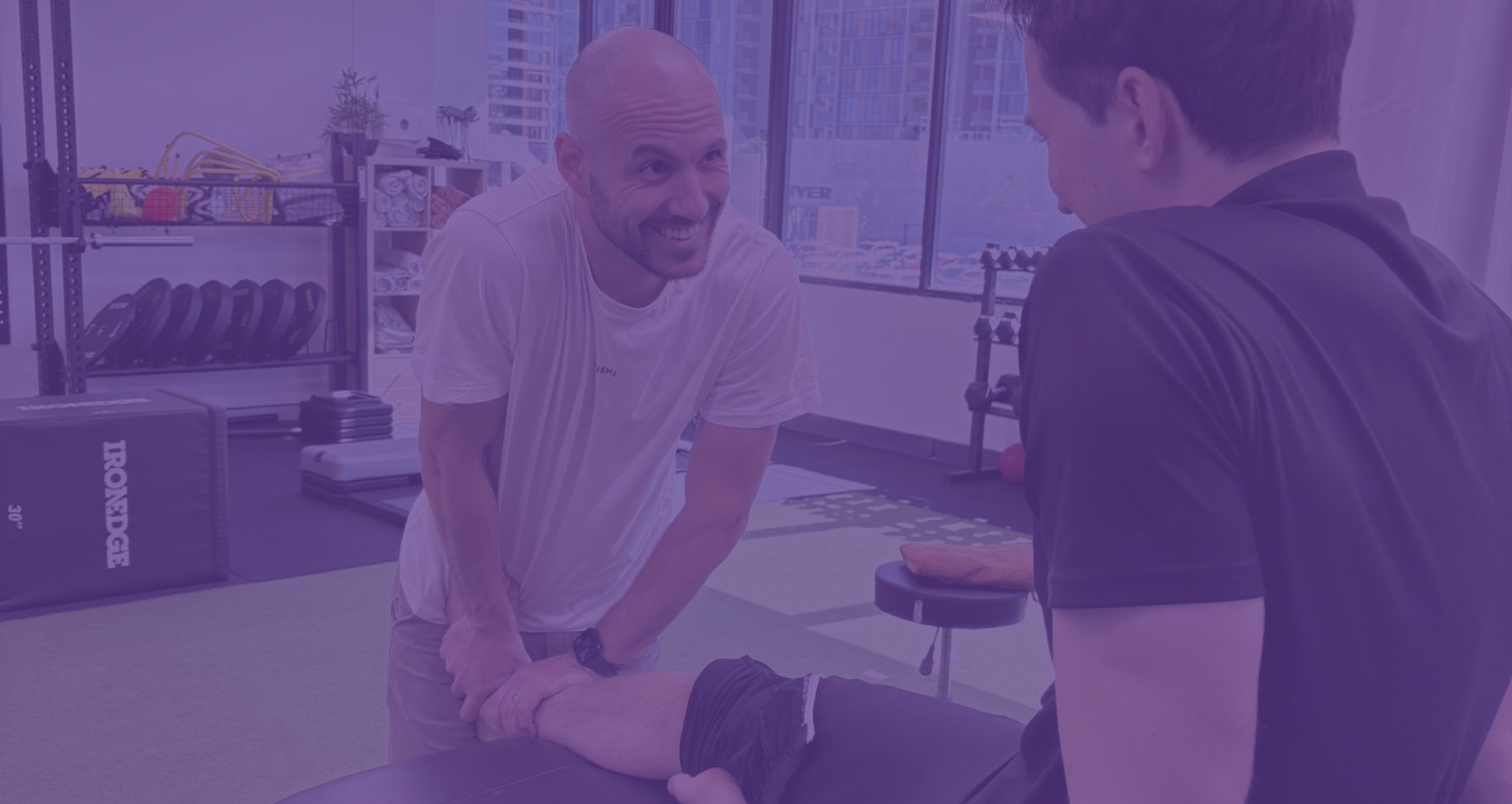
What To Expect During MY First Physiotherapy Session
Overview: your first physio appointment
At Clinical Physio Solutions, your first session is designed to understand you as a whole person – not just the sore body part. You can usually expect:
Brief paperwork or onboarding form before or on arrival
A detailed conversation about your pain, goals and lifestyle
A physical assessment (movement, strength, posture, specific tests)
A clear diagnosis explained in simple terms
Hands‑on treatment and/or exercises if appropriate
A personalised treatment and home exercise plan
A “what happens next” discussion (number of sessions, reviews)
Feeling unsure about what to expect from your first physiotherapy appointment is normal. However, the good news is that getting assessed by a professional physiotherapist is usually a straightforward process. With these experts working closely with patients day in and day out, they bring a wealth of experience to the role, helping you get diagnosis, treatment and advice that improves your health and wellbeing.
Ready to find out more? Below, we delve into what you can expect from your first physiotherapy appointment, from the initial conversation about your symptoms to creating a treatment plan. Once you finish this brief guide, you’ll have a general overview of the process, ensuring you feel more comfortable seeking help and booking your first appointment.
Before you arrive: what to bring and how to prepare
A little preparation helps you get more value from that first session.
What to bring
Any scans or imaging: x‑rays, MRIs, ultrasounds or reports related to your problem.
Referral letters from your GP, specialist or other allied health professionals (if you have one).
List of medications and relevant medical conditions (e.g. diabetes, osteoporosis, heart conditions).
Health fund details or claim card, if applicable.
A short note on your symptoms: when they started, what makes them better/worse, and activities you’re struggling with.
How to prepare
Think about your goals: e.g. walk without limping, get back to running, sit at a desk without pain.
Arrive 10 minutes early for any forms and to settle in.
Be ready to talk honestly about work, sport, hobbies, stress, sleep and previous injuries – these often influence pain and recovery.
What to wear and privacy around clothing
What you wear helps your physio properly assess the area while still respecting your privacy and comfort.
Wear or bring loose, comfortable clothing that allows easy movement.
For lower‑body issues (hip, knee, ankle, foot): shorts or leggings.
For upper‑body issues (neck, shoulder, back): a singlet, sports bra or loose t‑shirt.
Bring your usual runners if your problem is related to walking or running, so your physio can assess your gait.
Often the physio needs to see or gently move the area around your pain – for example, your lower back, shoulder or knee.
You will only be asked to remove or adjust clothing if it’s necessary to properly assess and treat you, and your consent is always requested first.
Modesty is respected: towels, gowns and careful draping are used where appropriate so you feel comfortable and supported at all times.
If you prefer not to remove certain clothing for cultural or personal reasons, let your physio know, they will adapt the assessment and treatment as safely as possible.
Step 1: initial conversation (subjective assessment)
Your appointment usually starts with a relaxed, structured conversation in a private treatment room.
Your physio will ask about:
Where your pain or symptoms are and how they feel (sharp, dull, aching, burning, stiff, pins and needles).
When the problem started and whether there was an obvious cause, such as a sports injury, accident or gradual build‑up.
What makes your symptoms better or worse. E.g. sitting, walking, lifting, sleeping, sport or work tasks.
How the issue affects daily life (work, caring, exercise, leisure).
Past injuries, surgeries and medical conditions that might be relevant.
Your goals: pain relief, returning to sport, improving strength, preventing flare‑ups, or staying active as you age.
This information helps your physio start forming a working diagnosis even before the physical assessment begins.
Step 2: physical assessment
Next, your physio performs a hands‑on assessment tailored to your problem and comfort level.
Typical components include:
Observation and posture: how you stand, sit and move.
Range of motion tests: how far you can bend, straighten, twist or lift before pain or stiffness appears.
Strength testing: gentle resisted movements to assess muscular strength and endurance.
Joint and soft tissue checks: feeling (palpating) muscles, tendons and joints to find sensitive or tight areas.
Functional tasks: walking, stairs, squats, reaching, lifting or sport‑specific movements where relevant.
Special tests: targeted orthopaedic or neurological tests to help confirm or rule out certain conditions.
You may feel some temporary discomfort when moving a sore area, but you should not be pushed aggressively beyond your limits; you’re encouraged to speak up if anything feels too much.
Step 3: discussing your diagnosis and treatment options
Once your physio has enough information, they’ll explain what they believe is causing your symptoms and what it means for your recovery.
You can expect:
A clear explanation of the likely diagnosis in everyday language (for example, “irritated tendon near your shoulder” rather than complicated terminology).
Education about contributing factors such as posture, movement patterns, training load, muscle weakness or joint stiffness.
Time to ask questions. About prognosis, activities to avoid (if any), and what you can safely keep doing.
Discussion of your goals and how treatment will be structured around them.
Education is a key part of physiotherapy: you should leave the session with a much better understanding of what’s happening and what you can do to help yourself.
Step 4: treatment during your first session
In many cases, treatment starts in that first appointment, once the assessment is complete and it’s safe to begin.
Depending on your condition, this may include:
Hands‑on (manual) therapy
Soft tissue massage and myofascial release
Joint mobilisation or gentle manipulation (sometimes with a painless “click”)
Trigger point release or dry needling, if appropriate and with your consent
Exercise‑based rehabilitation
Targeted stretches to improve flexibility
Strength exercises for specific muscles or regions
Control and balance training, especially after injuries or surgery
Taping or bracing
Supportive taping or bracing for joints and soft tissues to reduce strain, improve alignment and give short‑term relief.
Education and activity advice
Guidance on modifying work, sport or daily activities to reduce irritation while you heal.
Tips on posture, ergonomics and pacing. How much to rest versus how much to stay active.
Your physio will always seek your input and consent before trying a new technique, and they’ll explain what they’re doing and why.
Step 5: personalised treatment plan and home exercises
You’ll leave your first appointment with a clear plan tailored to your needs.
This usually covers:
How often you’ll need sessions and an estimated timeframe for improvement.
Specific, written home exercises and how often to perform them.
Short‑term goals (e.g. reduce pain, improve sleep, walk comfortably) and longer‑term goals (e.g. run 5 km, lift your child, play sport).
Markers to track progress, such as increased movement, reduced pain, or improved function.
Your home program is a crucial part of your recovery, completing it consistently almost always leads to faster, longer‑lasting results.
Step 6: what happens after the first session?
Before you leave, your physio will clarify the next steps so you know exactly what to expect.
This may include:
Recommended follow‑up schedule. For example, weekly for a short period, then less frequent as you improve.
When to expect your first improvements and what’s normal to feel after treatment (e.g. mild soreness after new exercises).
When to contact the clinic sooner. For example, if pain worsens significantly, new symptoms appear or you’re concerned.
Whether further investigations or referrals (e.g. to a GP, sports physician or specialist) might be useful.
The goal is always to equip you with the knowledge and tools to manage your condition, so you rely less on treatment over time.
Frequently Asked Questions
What happens at your first physiotherapy session?
Your first session includes a detailed conversation about your symptoms and goals, a physical assessment, an explanation of your diagnosis, and usually some initial treatment and home exercises.
What will a physio do on its first appointment?
Your physio will ask questions about your pain and lifestyle, assess how you move, test strength and flexibility, explain what they think is going on, and start a personalised treatment and exercise plan.
Do I have to take my clothes off for physio?
You may be asked to adjust or remove some clothing so the physio can see and treat the area properly, but your privacy is always respected with draping, clear explanations and your consent; if you’re uncomfortable, alternatives can be arranged.
What should I wear to my first physio appointment?
Wear or bring loose, comfortable clothes that allow the physio to access the area being treated. For example, shorts for leg problems or a singlet for shoulder, neck or upper‑back issues. Plus your usual trainers if your problem affects walking or running.
How do I prepare for a physio appointment?
Bring any scans, reports, referrals and a list of medications, think about your main concerns and goals, arrive a little early for paperwork, and be ready to describe when your symptoms started, what affects them and how they impact everyday life.
How long is a first physiotherapy session?
Your first session at Clinical Physio Solutions typically lasts 45-60 minutes to allow time for a thorough assessment, diagnosis, initial treatment and creating your personalised plan. This longer duration ensures we fully understand your condition and get you started on the path to recovery right away.
Locations we serve
Clinical Physio Solutions provides comprehensive assessment, diagnosis and treatment across Sydney’s key suburbs, with convenient clinics focused on accessible care and continuity for your recovery.
We welcome patients from our four locations:
Burwood – serving Burwood, Ashfield, Strathfield, Concord, Croydon, Five Dock and surrounds for everyday aches, sports injuries and post-operative rehab.
Ryde – serving Ryde, North Ryde, East Ryde, West Ryde, Putney, Meadowbank and nearby for neck/back pain, office-related issues and exercise programs.
Eastgardens – serving Eastgardens, Pagewood, Maroubra, Kingsford, Mascot, Rosebery and eastern suburbs for work-related injuries, chronic pain and mobility care.
Newington – serving Newington, Wentworth Point, Sydney Olympic Park, Silverwater, Ermington, Lidcombe and Parramatta River areas for adolescent sports injuries, return-to-sport and strength programs.
We also treat surrounding suburbs throughout the Inner West, Canterbury-Bankstown, Ryde and Bayside, with options for ongoing treatment and tailored home programs.
If you’re unsure which clinic is closest or if we service your area, our team can guide you to the most convenient location and appointment time.
No more temporary fixes – create long-term change


