

Rotator Cuff Injuries: What Sydney Athletes Need to Know
Breaking down is one of the most common shoulder injuries and treatment timelines.
Got Shoulder Pain That Won’t Go Away? You Might Be Ignoring Your Rotator Cuff.
If you’ve been dealing with shoulder pain — during gym sessions, while throwing, or even just reaching behind you — chances are, your rotator cuff is involved.
At Clinical Physio Solutions, we see rotator cuff injuries almost daily. They’re one of the most common — and most misunderstood — shoulder issues we treat in our Burwood, Eastgardens, and Top Ryde clinics.
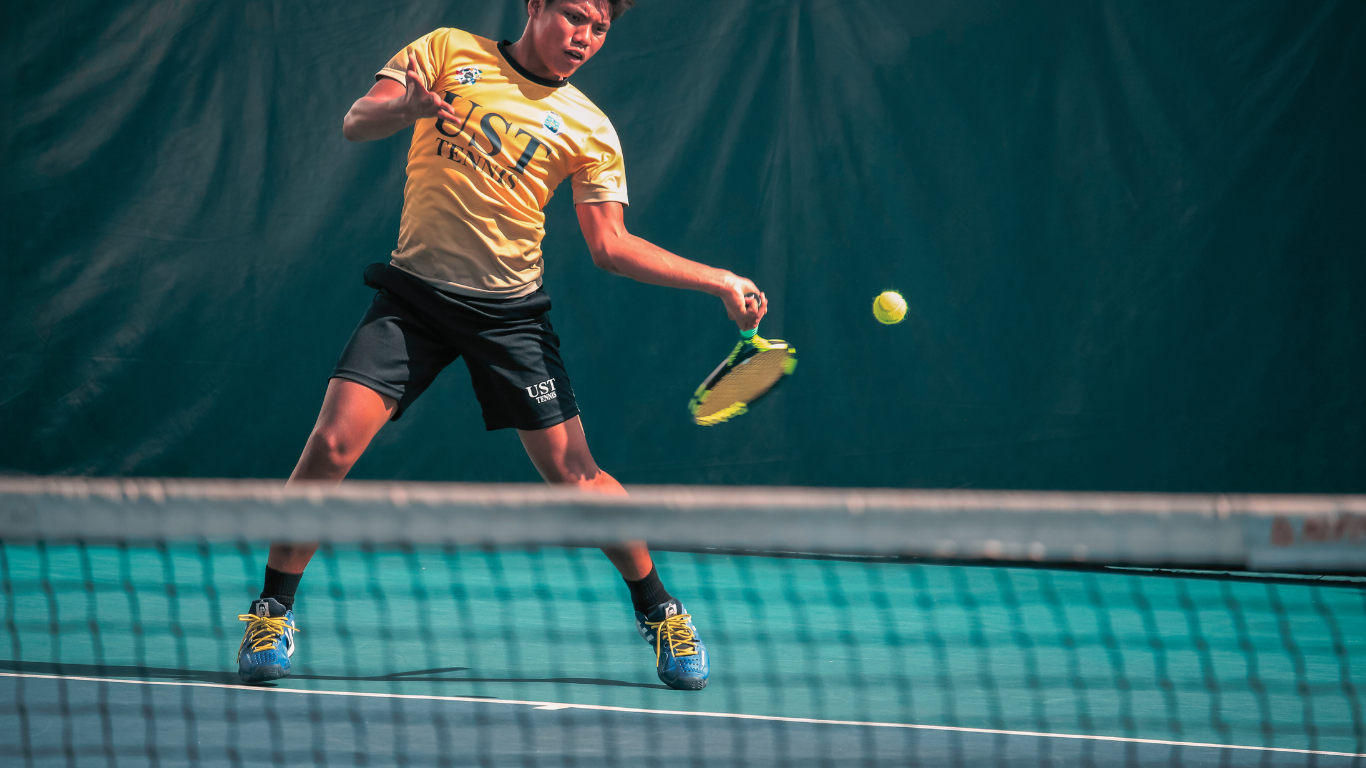
And here’s the catch: you don’t have to be a tennis player or weightlifter to get one. Desk workers, weekend warriors, swimmers, tradies — anyone can suffer from cuff-related pain. What matters is knowing how to spot it early, treat it properly, and return to movement safely.
What Is the Rotator Cuff — and Why Does It Matter?
The rotator cuff is a group of four muscles and tendons that stabilise your shoulder joint and keep it moving smoothly. They control everyday actions like lifting, rotating, and reaching overhead.
When the rotator cuff is irritated, strained, or torn, it can lead to:
- Sharp or dull shoulder pain (especially when lifting your arm)
- Weakness or instability in your shoulder
- Clicking or catching sensation with movement
- Pain that worsens at night, especially when sleeping on the affected side
- Limited range of motion
These injuries can range from mild overuse and inflammation to partial or full-thickness tendon tears.

How Rotator Cuff Injuries Happen — It’s Not Always a Big Moment
Some injuries happen in a single motion — like a fall or awkward lift — but most develop slowly from repeated movement or poor mechanics.
In our experience as rotator cuff physios in Sydney, the most common causes include:
- Repetitive overhead sports (tennis, swimming, cricket, throwing)
- Strength training with poor shoulder control (bench press, overhead press)
- Manual labour jobs (tradies, painters, warehouse workers)
- Age-related wear and tear (especially over 40)
- Poor posture and scapular control over time
And here’s the kicker — many people ignore early symptoms until the pain disrupts training or work. By then, inflammation has often progressed, and compensation patterns have already set in.
How Physiotherapy Helps — More Than Just Pain Relief
Rotator cuff injuries can absolutely heal — but not with rest alone. And not with a one-size-fits-all program.
Our CPS physios use a multi-phase approach that rebuilds shoulder function from the inside out. That includes:
🩺 1. Clinical Assessment & Diagnosis
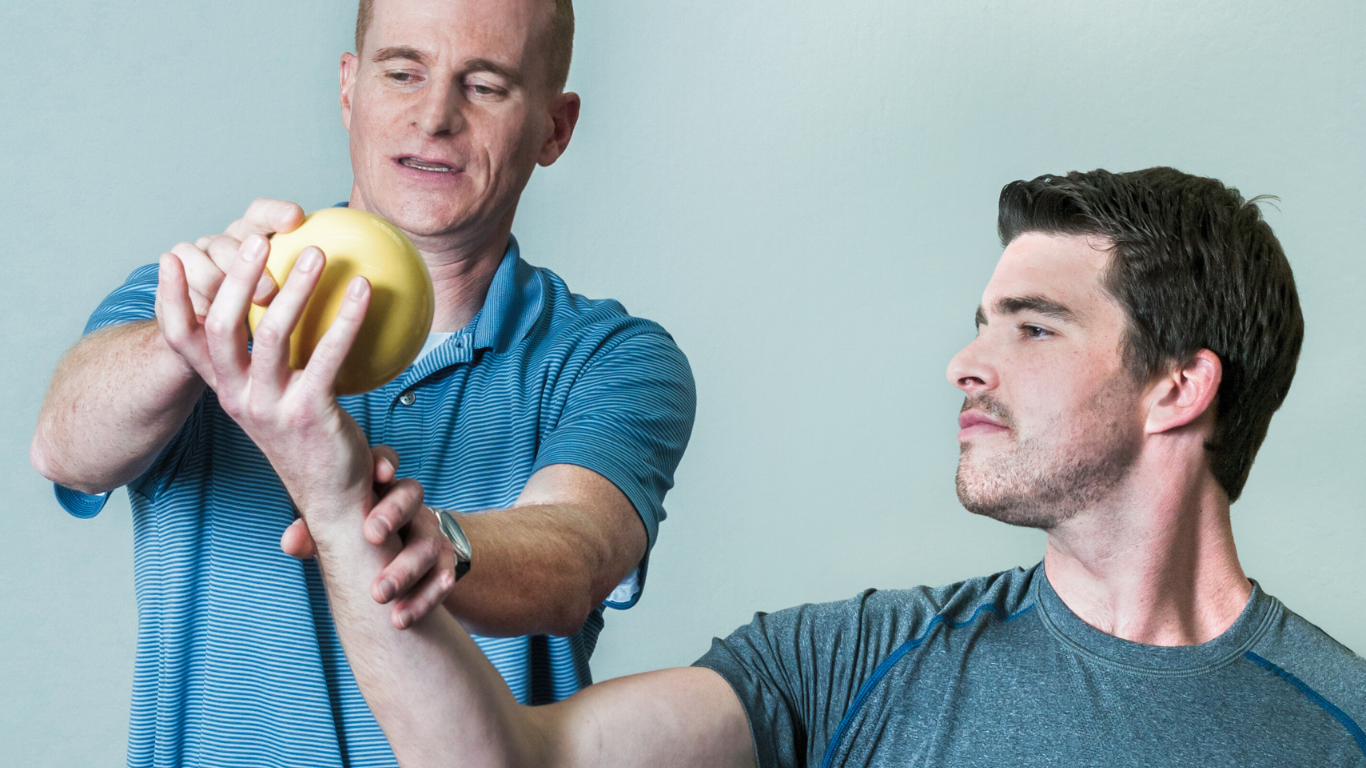
We test movement, strength, joint mechanics, and tendon integrity to pinpoint the issue. If necessary, we’ll refer you for imaging (e.g. ultrasound or MRI) — especially if a tear is suspected.
🔧 2. Pain & Inflammation Management
Early treatment focuses on calming down the shoulder with:
- Manual therapy and gentle joint mobilisations
- Soft tissue work around the upper traps, deltoid, and scapular stabilisers
- Ice/heat strategies and load modification (not full rest)
💪 3. Movement Correction & Strength Rehab
This is where the real work begins — and where most DIY rehab falls short. Your program will include:
- Rotator cuff reactivation exercises (e.g. external rotation, scaption work)
- Scapular stabilisation drills
- Clinical Pilates-based shoulder control
- Progressive resistance (band → dumbbell → sport-specific load)
- Postural retraining for long-term joint health
We tailor every step to your sport, job, or activity — so whether you’re swinging a racquet or holding a power drill, your rehab is relevant.
🏋️ 4. Return to Play (or Work) Progression
No one wants to stop training forever. Our team works with you to:
- Gradually reintroduce overhead movement
- Build load tolerance and strength symmetry
- Simulate real-life or sport-specific scenarios
- Offer guidance on technique, deloads, and injury prevention
What’s the Recovery Timeline for Rotator Cuff Injuries?
It depends on the severity:
Type of Injury | Typical Recovery Time with Physio |
Mild strain / tendonitis | 3–6 weeks |
Moderate partial tear | 6–12 weeks |
Significant tear (non-surgical) | 3–6 months |
Post-surgical repair | 6–9+ months (with structured rehab) |
🚨 Key note: Recovery is not just about time — it’s about the quality of rehab. Many people “rest” for weeks but never regain proper strength or control, which leads to persistent pain.
How to Know It’s Time to See a Physio
If you’ve been:
- Ignoring shoulder pain for more than a week
- Feeling weakness or instability with pressing or lifting
- Losing range or function in everyday activities
- Popping anti-inflammatories just to get through your day
…it’s time to get assessed.
Even if you’re not sure whether it’s the rotator cuff, our shoulder injury physios in Sydney will help you figure out exactly what’s going on — and how to get it right.

Why Athletes & Active Adults Choose CPS
Our rotator cuff rehab programs are led by a credentialed team of:
- APA Registered Physios with sports training
- Exercise Physiologists and Pilates-trained clinicians
- Experts in shoulder biomechanics and return-to-play strategies
You’ll rehab in a real-world, movement-based setting — not just stretch bands in a corner. From desk athletes to rugby players, we’ve helped thousands of Sydney locals rebuild their shoulders with strength, balance, and confidence.


Shoulder Pain Doesn’t Need to Be Your New Normal
Rotator cuff injuries are fixable — with the right support. Don’t wait until it’s a surgical case or permanent limitation.

If you’re after a trusted physio near Burwood, or searching for the best shoulder physio in Sydney, you’re already one step closer.
Why CPS?
No more temporary fixes – create long-term change


