
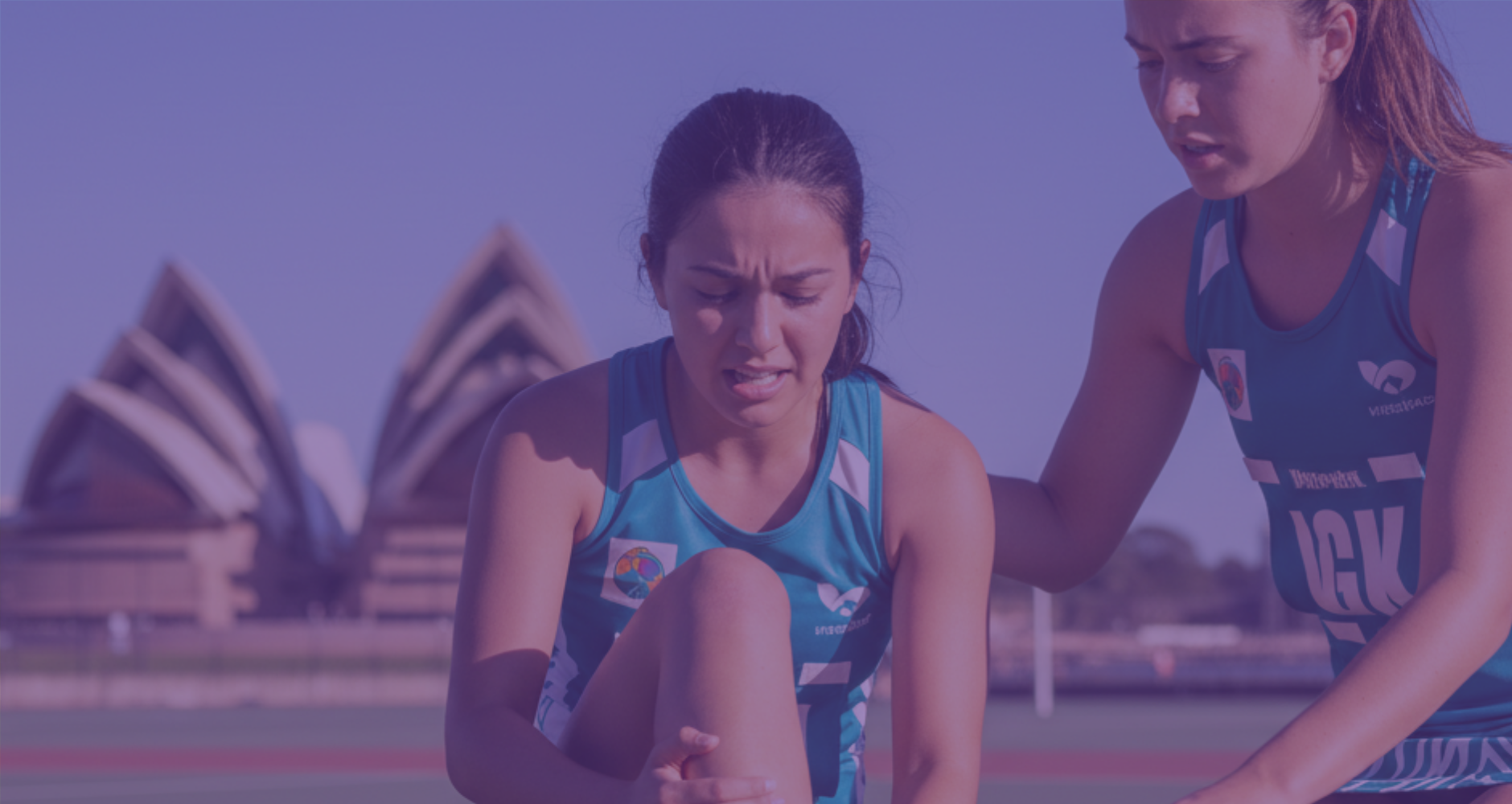
PEACE and LOVE Protocol: Why RICE is Outdated for Injury Recovery?
The PEACE and LOVE protocol replaces the old RICE method (Rest, Ice, Compression, Elevation) for acute soft tissue injuries like sprains, strains, and bruises. Developed in 2020 by experts in the British Journal of Sports Medicine, it embraces natural inflammation while promoting early movement for faster, stronger healing. This guide breaks down each step, explains RICE’s flaws, and offers practical tips for optimal recovery.
What is PEACE?
PEACE guides the first 1-3 days post-injury to protect healing without over-resting.
Protect (P): Unload or restrict aggravating movements for 1-3 days to minimise bleeding and fibre damage, but avoid complete rest which weakens tissues.
Elevate (E): Raise the limb above heart level to manage swelling via gravity.
Avoid anti-inflammatories (A): Skip ice or NSAIDs initially, as inflammation delivers healing cells and nutrients.
Compress (C): Use gentle compression to control swelling without restricting blood flow.
Educate (E): Learn about the process to build confidence and avoid fear-avoidance behaviors.
What is LOVE?
After 3 days, shift to LOVE for subacute recovery emphasising active rehab.
Load (L): Introduce optimal mechanical stress through pain-guided exercises to remodel tissues and boost tolerance.
Optimism (O): Foster a positive mindset, as negative expectations prolong recovery.
Vascularisation (V): Enhance blood flow with low-intensity cardio, heat, or massage.
Exercise (E): Add motor control, strength, and proprioception training for full function.
Why Ditch RICE?
RICE, popularised in the 1970s, aimed to curb swelling but evidence shows it delays healing.
RICE flaws include:
Ice: Constricts blood vessels, blocking immune cells and repair signals; studies show no superior pain relief over no ice.
Complete Rest: Leads to muscle atrophy, stiffness, and poorer long-term strength.
Over-Compression/Elevation: Reduces nutrient delivery if excessive.
Meta-analyses confirm PEACE & LOVE yields better pain relief, ROM, and return-to-activity rates.


PEACE & LOVE vs RICE Comparison
| Aspect | RICE | PEACE & LOVE |
|---|---|---|
| Inflammation | Suppress (Ice/NSAIDs) | Embrace naturally |
| Movement (Days 1-3) | Full rest | Protected loading soon |
| Timeline | Passive first aid | Acute (PEACE) then active (LOVE) |
| Evidence | Outdated, may delay healing | Supported by BJSM review, faster outcomes |
| Psychosocial | Ignores mindset | Includes optimism/education |
When To Use PEACE & LOVE
Apply to acute soft tissue injuries: ankle sprains, hamstring strains, tennis elbow. Start PEACE immediately; transition to LOVE by day 4 or when pain allows. Consult a physio for personalisation, especially if swelling persists or function lags. Exceptions: fractures or severe trauma need medical clearance first.
Practical Tips for Recovery
Begin with 2-4 sets of 10 pain-free reps (e.g., isometrics for calves post-sprain). Track progress weekly, combining vascularisation like cycling with strength work. Sydney physios recommend this for sports injuries, reporting quicker return to activities like netball or running.
Our Acute Injury Management Services in Sydney
Clinical Physio Solutions specialises in PEACE and LOVE protocol physiotherapy for acute soft tissue injuries like sprains, strains, and bruises, with conveniently located Sydney clinics making expert soft tissue rehabilitation easy to access for every patient. Our team delivers individualised PEACE & LOVE care for optimal recovery from sports injuries, ankle sprains, hamstring pulls, and overuse issues across the below suburbs:
Whether managing an acute injury from netball, tennis, running, or daily activities in Sydney’s inner west, north, eastern suburbs, or beyond, our clinics offer flexible appointments, modern rehab equipment, and expert guidance tailored for PEACE implementation and LOVE progression phases. Each location is staffed by physiotherapists experienced in evidence-based injury protocols, ditching outdated RICE for faster healing and strength gains.
Book an appointment at your nearest Clinical Physio Solutions location in Sydney. Expert PEACE & LOVE physiotherapy is always close by for smarter recovery and lasting results.
FREQUENTLY ASKED QUESTIONS
The greatest wealth is health!
At Clinical Physio Solutions, we embrace the PEACE and LOVE protocol as the evidence-based approach for managing acute soft tissue injuries like sprains and strains. PEACE (Protect, Elevate, Avoid anti-inflammatories, Compress, Educate) applies immediately for the first 1-3 days to support natural healing without interference, while LOVE (Load, Optimism, Vascularisation, Exercise) kicks in after to build strength and function through guided movement.
Yes, PEACE and LOVE outperforms RICE by promoting early, pain-guided loading and embracing inflammation as a key healing phase, leading to faster recovery, better strength, and lower re-injury risk. Our Sydney physios have seen superior outcomes in sports injuries compared to RICE’s outdated rest-heavy focus, backed by British Journal of Sports Medicine research.
RICE is no longer the gold standard, recent evidence shows its ice and rest components can delay tissue repair by blocking vital inflammation and causing atrophy. Clinical Physio Solutions recommends PEACE and LOVE instead for modern, comprehensive care that gets you back to training faster.
Prolonged icing beyond 20 minutes risks nerve damage, reduced blood flow, and impaired healing by overly suppressing inflammation, potentially leading to stiffness or slower recovery. Stick to short bursts if using ice at all, but our team prioritises PEACE and LOVE to avoid these pitfalls altogether.
No more temporary fixes – create long-term change


