

Sports Injury in Your 20s: How Physio Can Fast-Track Recovery
Why early rehab in young adults leads to better, longer-lasting results
Think You’ll Just Bounce Back Because You’re Young? Not Always.
When you’re in your 20s, your body feels invincible — until it’s not.
A sprained ankle from footy, shoulder strain from weights, knee pain after running — they’re easy to brush off when you’ve always bounced back quickly. But too often, we see young adults ignore pain, push through injury, or rely on generic gym programs to rehab on their own.
Here’s the truth: your 20s are the best time to build recovery habits that last. And with the right physiotherapy support, you can prevent long-term issues, optimise your return to sport, and avoid the “niggling” pain that follows you into your 30s and beyond.
Why Young Adults Get Injured — More Than You Might Think
Contrary to popular belief, young bodies aren’t immune to serious injuries. In fact, in our Burwood and Newington physio clinics, we regularly treat people in their 20s with:
- ACL tears from cutting or landing badly
- Rotator cuff strains from upper body training or contact sports
- Stress fractures from overtraining or under-recovery
- Hamstring tears during sprints, HIIT, or change of direction
- Tendonitis in knees, hips, or elbows from repetitive movement
- Lower back strain from poor lifting mechanics
And more often than not, they’ve either delayed treatment, self-managed with limited results, or stopped training altogether — fearing the pain or re-injury.


The Problem with the “Push Through” Mentality
You’re young, fit, active — and likely time-poor. So when something hurts, the common instinct is:
“It’ll get better on its own.”
“I’ll just rest for a week then go back.”
“I watched a rehab video online — I’ll try that.”
But here’s what we know from working with thousands of young, active clients across Sydney: this approach almost always leads to incomplete recovery. The pain might settle temporarily, but the root dysfunction stays.
That’s when the cycle starts:
- You return to sport too soon
- Compensation kicks in
- You tweak something else
- Your training slows down
- Confidence drops
- Frustration builds
This is exactly where early physio intervention makes the difference — and why it’s one of the best long-term investments you can make in your health.
How Physio Fast-Tracks Recovery in Your 20s
At Clinical Physio Solutions, our team doesn’t just treat pain — we help you rebuild performance, precision, and confidence in your movement.
Here’s how we structure your recovery for results:
🔍 1. Digging Deeper Than Just “What Hurts”
We go beyond the injury site to find why it happened. Was it poor landing mechanics? Weak glutes? Limited ankle mobility? We use movement screening and strength testing to uncover the underlying cause — especially important for preventing re-injury.
🛠️ 2. Active, Goal-Based Rehab
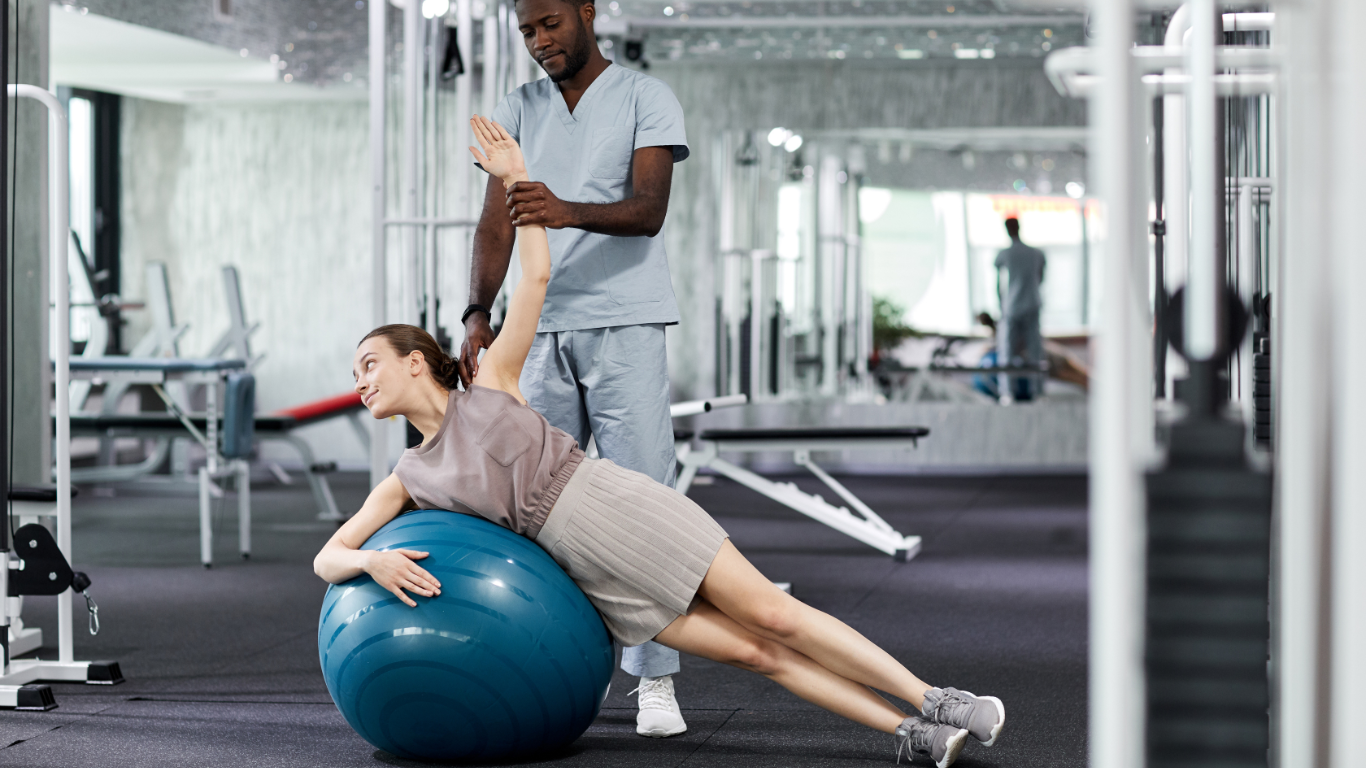
No fluff. No endless Theraband exercises. We design targeted rehab plans that match your goals: whether that’s returning to soccer, lifting again, or just moving pain-free at work.
Expect a mix of:
- Strength and control work
- Joint-specific mobility
- Neuromuscular retraining
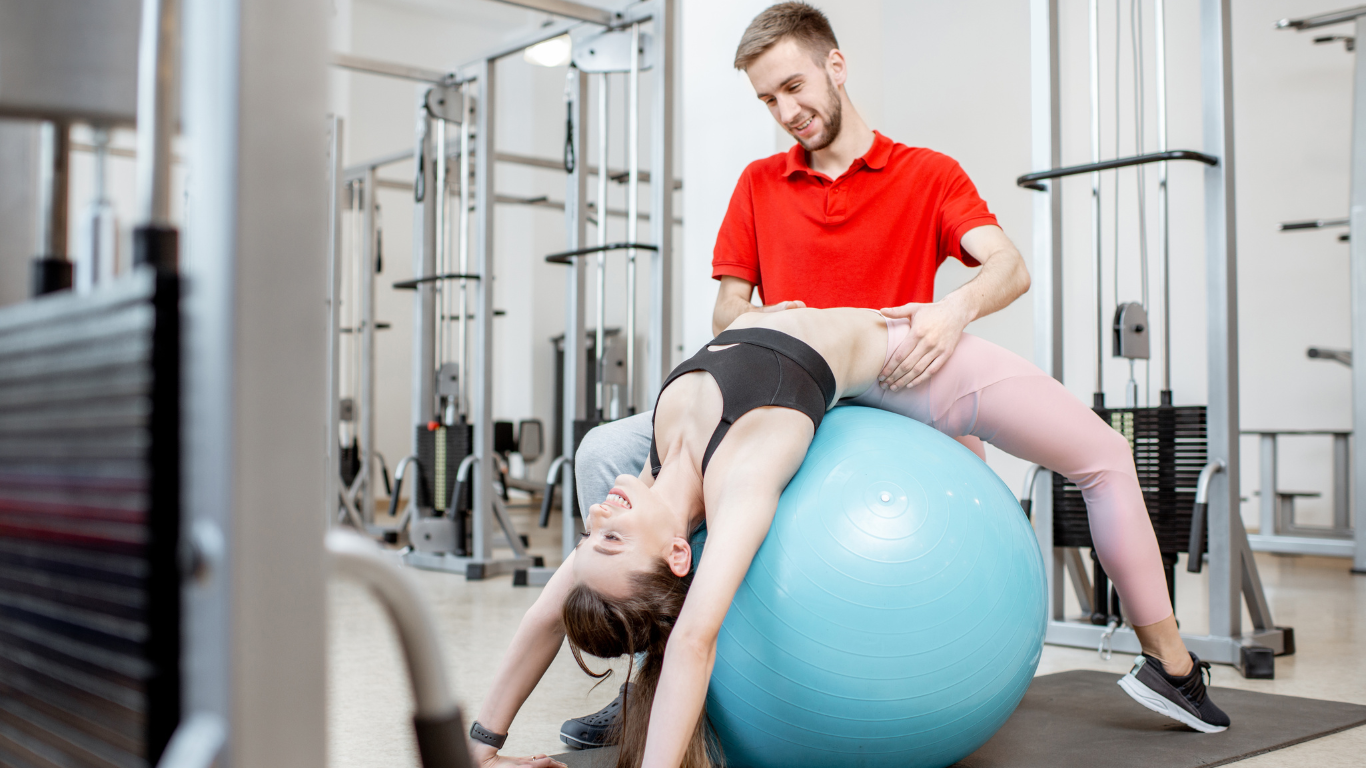
- Clinical Pilates for movement precision
- Load progression tailored to your activity level
This is where we differ from a standard “rest and stretch” plan. We rebuild function, not just reduce symptoms.
🏃 3. Return-to-Performance Strategy
Getting back to sport is more than just waiting for pain to go. We guide your return through a structured process — testing strength, load tolerance, agility, and sport-specific movement to ensure you’re really ready.
You’ll know exactly what your body can handle — and how to build from there.

Why It Matters Long-Term
You might think a minor knee sprain in your 20s is no big deal — but what about:
- Recurrent flare-ups during training?
- Early wear and tear leading to joint degeneration by your 30s?
- Avoiding activity altogether out of fear of re-injury?
What we do now shapes how you move in the decades to come. That’s why we build rehab programs not just for short-term recovery — but for lifelong resilience.
Who This Is For
We see it all the time:
🔹 Uni students who train hard but don’t have proper recovery routines
🔹 First-time gym users who dive into high-intensity workouts
🔹 Athletes returning post-injury with zero strength rebuild
🔹 Young tradies with overuse joint pain
🔹 Runners, lifters, footballers, dancers — anyone young, active, and at risk of pushing too far, too soon
If you’re Googling “sports physio near me”, “injury rehab for young adults”, or “physio for gym injuries”, this is exactly what you need.


What Makes CPS Different for Young Adults
Our Burwood, Eastgardens, Top Ryde, and Newington physio clinics are built for modern recovery. We offer:
✅ Experienced physios who specialise in sports and youth injury rehab
✅ Access to exercise physiologists and Pilates-trained clinicians
✅ Programs that fit your schedule — from fast-track rehab to pre-season screening
✅ Gym-style rehab spaces for real movement retraining
✅ Education that empowers you to train smarter, not just harder
And yes — we speak your language. No complex jargon. Just expert care and guidance that meets you where you are.
You’re Not Too Young for Physio — You’re at the Perfect Age for It
If you’re in your 20s and recovering from a recent injury (or one you never fully treated), now is the time to get it right. Physio isn’t just about fixing pain — it’s about building a body that can handle what you love doing.

Whether you’re lifting, sprinting, dancing, or just staying active — we’re here to help you move better, heal faster, and stay in the game.
Why CPS?
No more temporary fixes – create long-term change


