
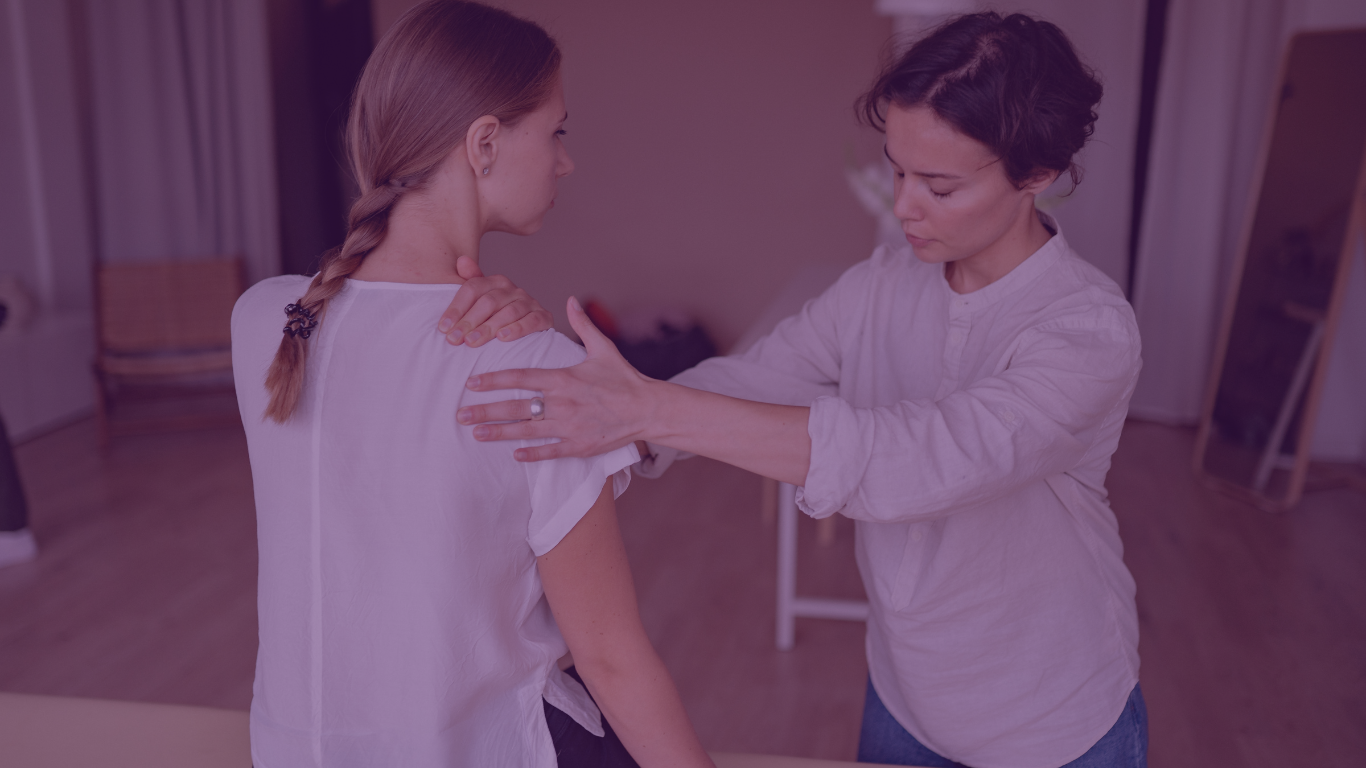
Post-Op Rehab for Shoulder Surgery: Physio Strategies That Work
What happens after surgery — and why physio is key to regaining full function.
Surgery Is Just Step One — The Real Recovery Starts After You Leave the Hospital
Whether you’ve had a rotator cuff repair, labral reconstruction, or shoulder stabilisation surgery, one thing is universally true: rehab is not optional.
Without structured physiotherapy, even a “successful” surgery can lead to stiffness, weakness, ongoing pain, and lost function. But with the right support — tailored, progressive, and expertly supervised — your shoulder can return to full, pain-free use.
At Clinical Physio Solutions, we support post-op shoulder patients across Sydney, from Burwood to Eastgardens, guiding them from that first stiff week to full recovery. This blog walks you through exactly what to expect, what physio does at each stage, and why post-op success depends just as much on the rehab as it does on the procedure.
Why Is Shoulder Rehab So Important After Surgery?
The shoulder joint is one of the most mobile — and most complex — joints in the body. That mobility also makes it vulnerable.
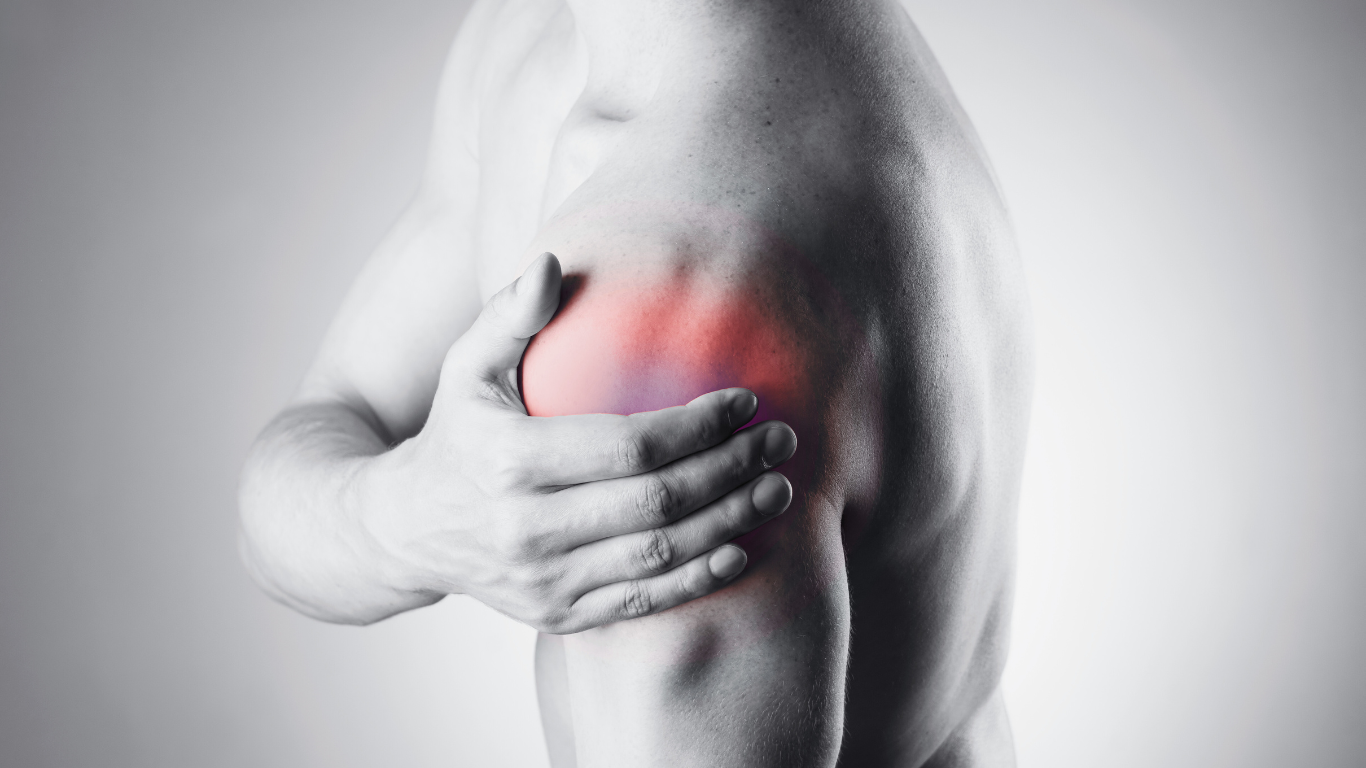
After surgery, things change:
- Muscles weaken fast due to immobilisation
- Joint stiffness builds from inflammation and scarring
- Pain alters natural movement patterns
- Protective guarding limits your range and confidence
- Strength and coordination become imbalanced
This means it’s not enough to just rest, wait, and hope. Structured rehab is what restores real function — safely, gradually, and specifically.
Types of Shoulder Surgeries That Require Rehab
At CPS, we regularly treat patients recovering from:
- Rotator cuff repairs (partial or full-thickness tears)
- Shoulder stabilisation surgery (for recurrent dislocations)
- Labral repairs (SLAP, Bankart lesions)
- Acromioplasty (removal of bone spurs or impingement)
- Total or reverse shoulder replacements
- Fracture-related surgeries (clavicle, humerus)
Each has its own rehab timeline — but all follow the same principle: you need a physio who understands surgical healing and progressive reconditioning.
Post-Op Shoulder Rehab Timeline: What to Expect
Here’s how recovery typically unfolds, and how we support you through each phase:
🔹 Phase 1: Protection & Early Mobility (Weeks 0–4)
Goal: Protect healing tissue, reduce swelling, and restore gentle movement.
- Work with your surgeon’s protocol — sling management, positioning, and sleeping advice
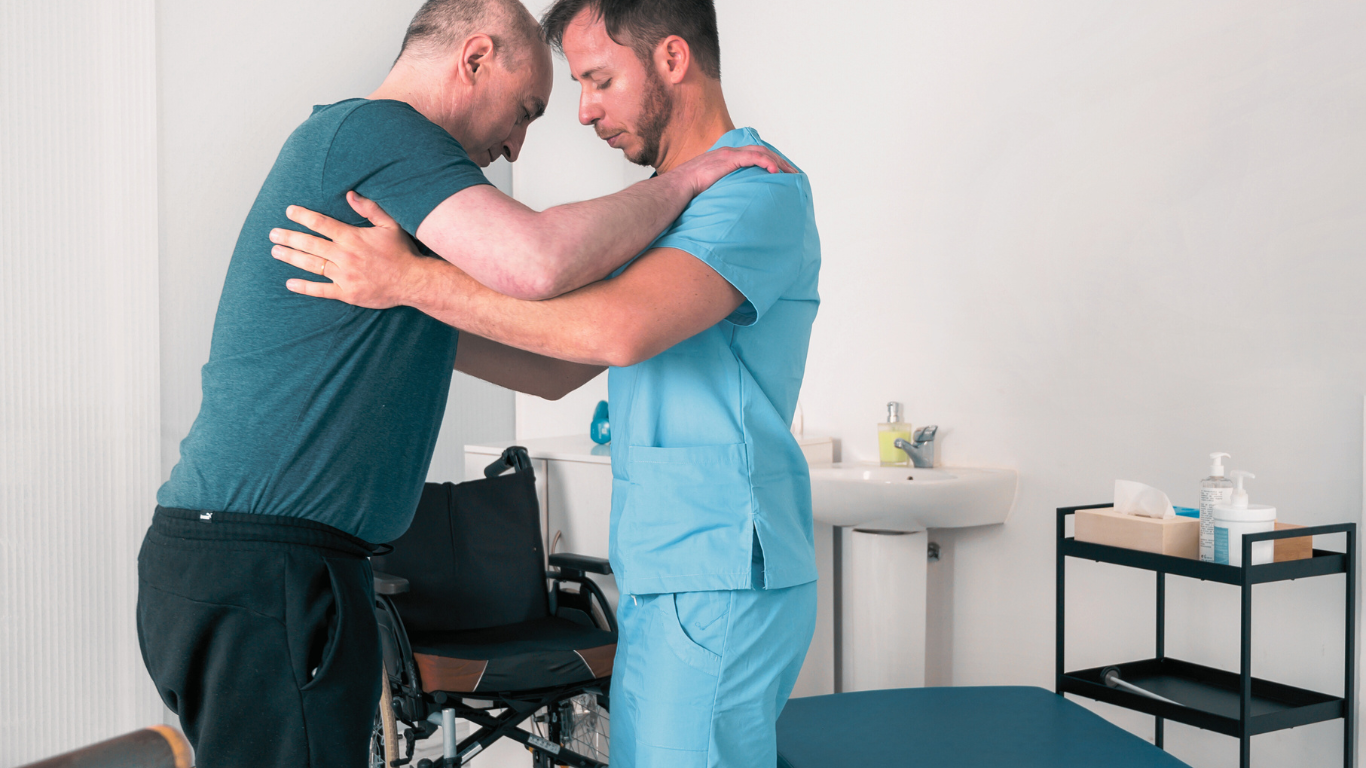
- Passive range of motion guided by your physio (no active lifting yet)
- Gentle scapular mobility and posture correction
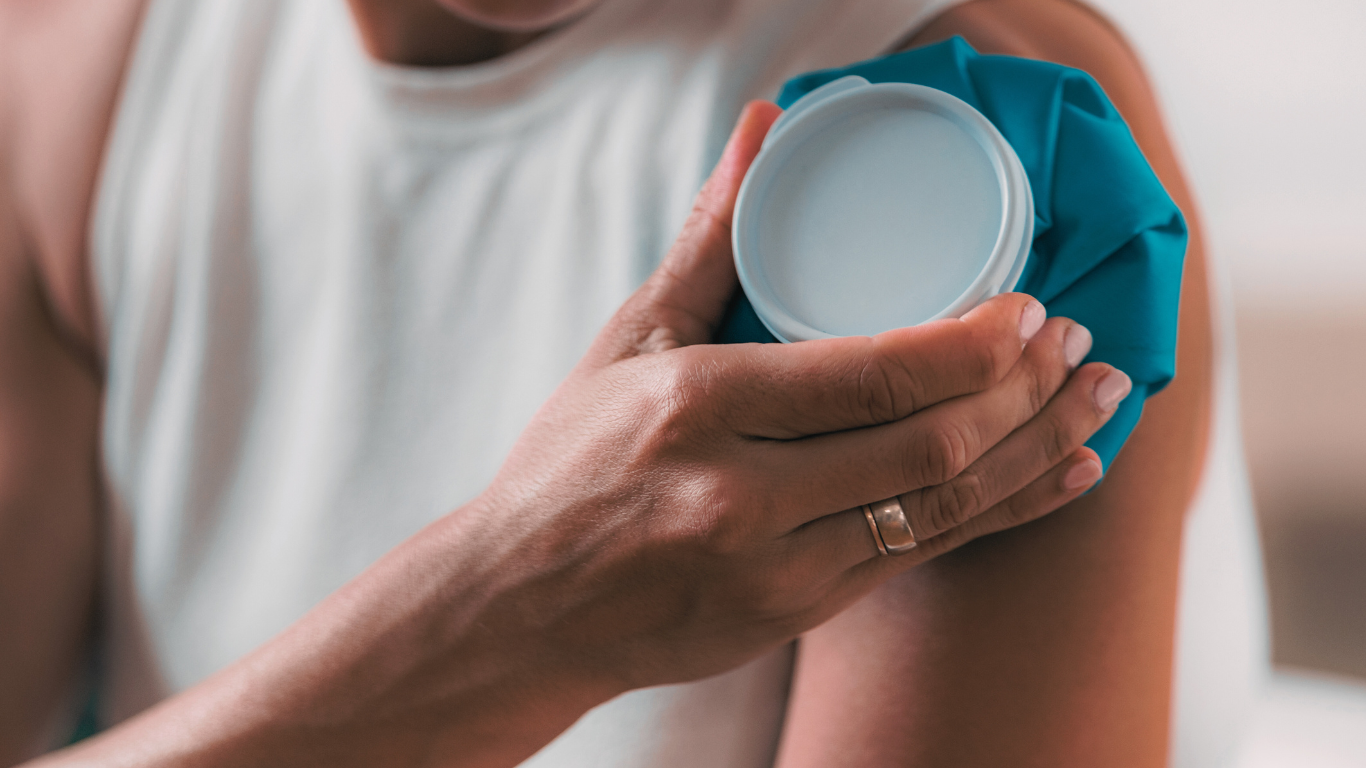
- Pain relief strategies (ice, manual therapy where appropriate)
We monitor every step — your healing progress, surgical site condition, and confidence.
✅ This is when patients most appreciate having a physio on-call — guiding safe movement without fear of “undoing” the surgery.
🔹 Phase 2: Controlled Activation & Stability (Weeks 4–8)
Goal: Begin using muscles again, gently and precisely.
- Activate rotator cuff and scapular muscles with guided isometrics
- Continue passive and assisted mobility work
- Introduce Pilates-informed movement control to retrain joint coordination
- Begin progressive load-bearing tasks (as per surgeon clearance)
This phase is delicate. Overloading too soon is common — but we pace it smartly.
🔹 Phase 3: Strength & Function Rebuild (Weeks 8–16+)
Goal: Restore muscle strength, endurance, and shoulder coordination.
- Move into resistance-based rehab (bands, weights, functional drills)
- Correct compensation patterns that developed pre- or post-op
- Improve posture, breathing mechanics, and whole-body control
- Reintroduce higher-level movement (lifting, reaching, carrying)
This is where you feel the difference between “ok” recovery and full, confident function.
🔹 Phase 4: Return to Sport or Work (Month 4+)
Goal: Meet real-world or sport-specific demands safely and confidently.
- Test and challenge your shoulder under dynamic load
- Use sport-specific conditioning (e.g. throwing, push-ups, overhead work)
- For tradies: drills for lifting, overhead tasks, and tool handling
- For athletes: cutting, landing, and contact tolerance testing
- Final strength symmetry testing and exit programming
We also collaborate with your specialist or GP to give you clear clearance and documentation if needed.
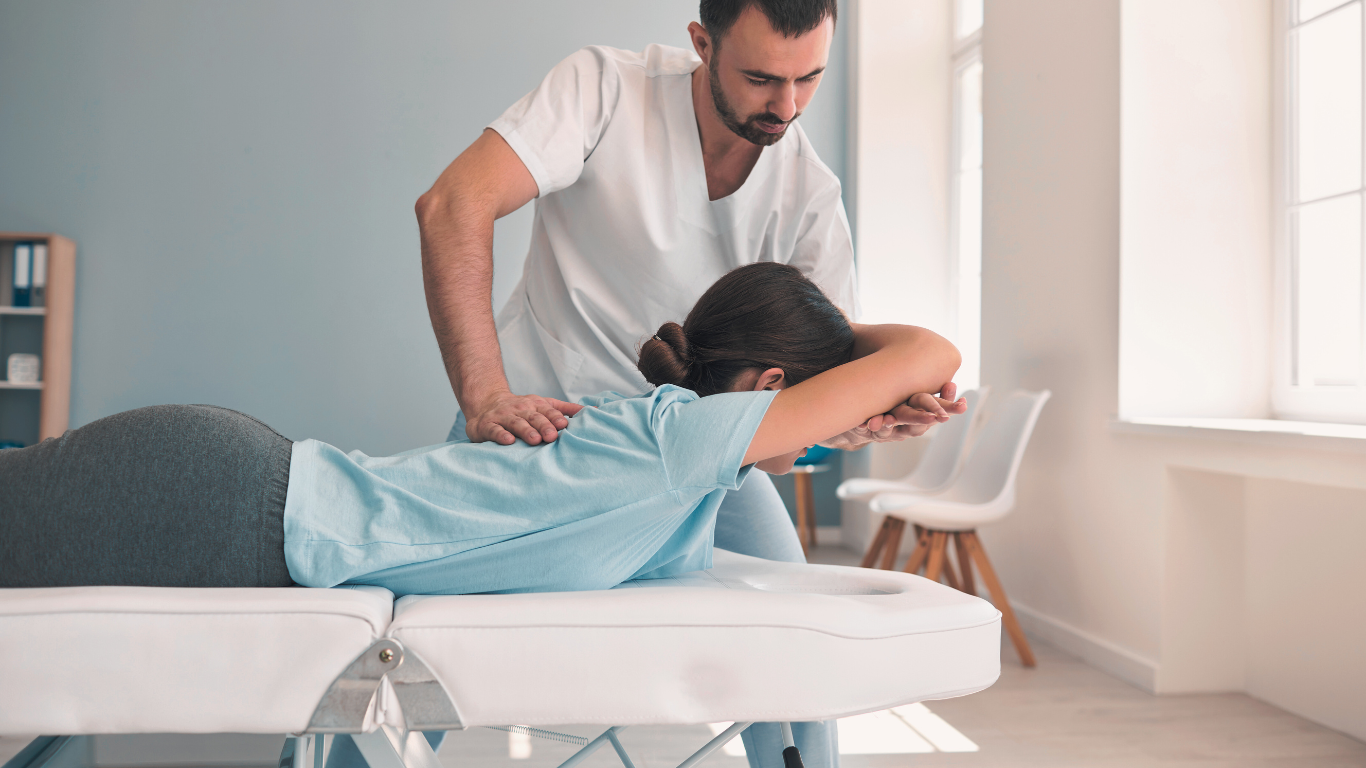
What Makes CPS Shoulder Rehab Different?
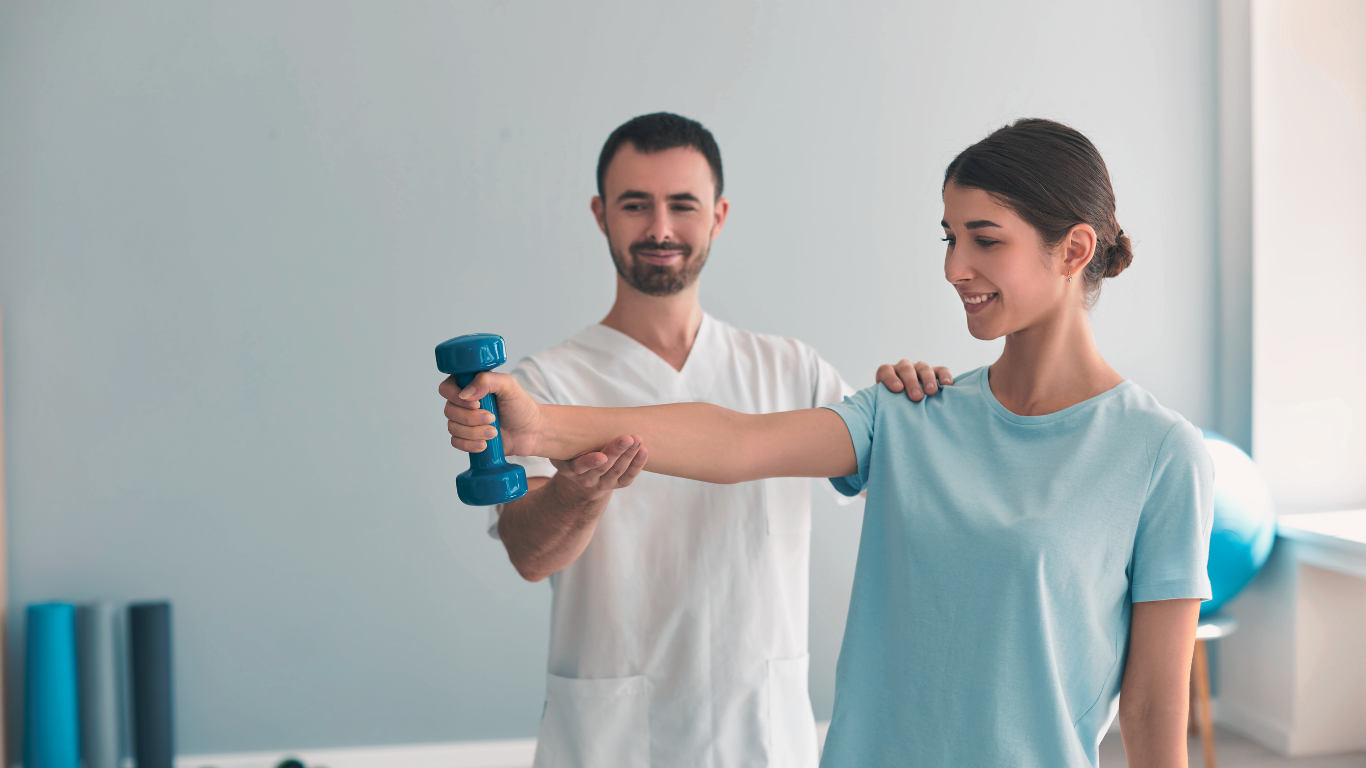
We don’t just hand you a sheet of exercises and send you on your way.
At Clinical Physio Solutions, our post-op rehab programs are built and delivered by:
- APA Registered Physios with post-surgical training
- Exercise Physiologists who specialise in progressive reloading
- Pilates-trained clinicians for motor control and movement precision
- Access to real-world rehab spaces (not just a treatment room)
We also bring the human side — helping patients rebuild confidence, understand their body, and stay accountable during long recoveries.
How Long Does Shoulder Rehab Take?
Every case is different, but here’s a general timeline:
|
Surgery Type |
Expected Full Recovery |
|
Arthroscopic decompression |
8–12 weeks |
|
Partial rotator cuff repair |
3–4 months |
|
Full rotator cuff or labral repair |
4–6 months |
|
Shoulder stabilisation surgery |
4–5 months |
|
Shoulder replacement |
6–9 months |
Note: “Full recovery” means pain-free movement, strength symmetry, and readiness for your sport or daily life demands.
Common Mistakes to Avoid After Shoulder Surgery
❌ Avoiding movement for too long
❌ Doing too much too soon
❌ Relying only on passive treatment (massage, ultrasound, etc.)
❌ Not progressing beyond “basic rehab”
❌ Skipping strength and sport/work-specific prep
With proper physio, you avoid all of the above — and save yourself months of frustration.
Book with a Physio Team That’s Done This Before
We’ve helped hundreds of Sydney patients recover after shoulder surgery — and we’re here to guide you from day one to full strength.

Why CPS?
No more temporary fixes – create long-term change


